.svg)
The story myth
Who can really say why our cave-dwelling ancestors started scribbling on the walls?
Maybe they liked the way it looked. Or maybe they were inspired to represent the creatures around them and record important events. Perhaps they thought the images would allow them to steal the subject's life force, or they were driven by a deep desire for something like spiritual expression.
It could be all of that and more, but the story hounds at CAVE like to think of this early cave art as the vanguard of a new and powerful technology: story.

Our ancestors had good reason to tap into the profound psychological power of storytelling. It facilitated gossip and aided in handing down history and knowhow. It transmitted instructive tales of moral victories and failures. Story taught right from wrong.
Storytelling may have been our most decisive competitive advantage over the other animals, ultimately allowing humans to conquer the planet. And despite tens of thousands of years of progress, it is just as essential today (if not more so) to be able to tell a good story.
Your brain on story

As with so much ancient wisdom, our ancestors couldn't have known exactly how story worked, but without a doubt they knew it did. Modern science teaches us that story works for science-y reasons. Put your nerd cap on for a second:
Story engages various parts of the brain at once (the frontal cortex, the motor and sensory cortices), hitting multiple memory channels. Story convinces the hippocampus to store it alongside long-term memories. Story triggers an intoxicating chemical cocktail of cortisol, dopamine, and oxytocin that rewards the listener, elevating attention levels, promoting emotional connection, and making information easier to remember and act upon.
In short . . . ahem . . . story encodes a new sequence into the brain that generates a biochemical response that can change a person's perspective and behavior and encourage them to build a better world. It's strong stuff.
Whether you want to persuade or inform, entertain or annoy, story works better. Because you're wired that way.
The business of story
Stories aren't just for the campfire. The business benefits of good, authentic storytelling are becoming more and more apparent. Increasingly, companies are pursuing a brand storytelling strategy that strengthens their identity, increases customer engagement, and connects the brand to a greater purpose. Here are just a few ways that story works better than the old, timeworn, somewhat dry methods of marketing, sales, and data analysis.
Story works better than facts and figures. Arianna Huffington once said, "People think in stories, not statistics." And it's true that data is far more memorable in the context of a story, and more persuasive. According to research by Stanford professor Jennifer Aaker, stories are 22 times more memorable than facts alone. Data storytelling makes clear what information is important and what can be discarded. It renders complex data less boring and more understandable. Compelling data storytelling allows organizations to unlock new points of view and optimize business strategies, leading directly to better decision-making and a boost in revenue.
Story works better at accessing the subconscious. Story seems to have the ability to penetrate the brain before we're able to filter through the details. Like music. It cuts through prejudice and distraction and communicates directly with our subconscious selves, creating an immediate and lasting emotional response that (along with all that dopamine) aids in converting a story's details to long-term memories. This makes a listener more likely to remember actionable information. When it comes to how brand storytelling can impact spending habits, studies have shown that today's consumers prefer brands with which they can form strong emotional connections. But authenticity is key. More than ever, people want to see themselves and their values in the products they buy, and a good brand storytelling campaign is an effective way to achieve that impression.
Story works better at bringing people together. Not just in terms of fostering empathy and understanding, but via our very brain waves. The natural information-transfer mechanism of story has been proven to sync the brain activity of storyteller and listener.
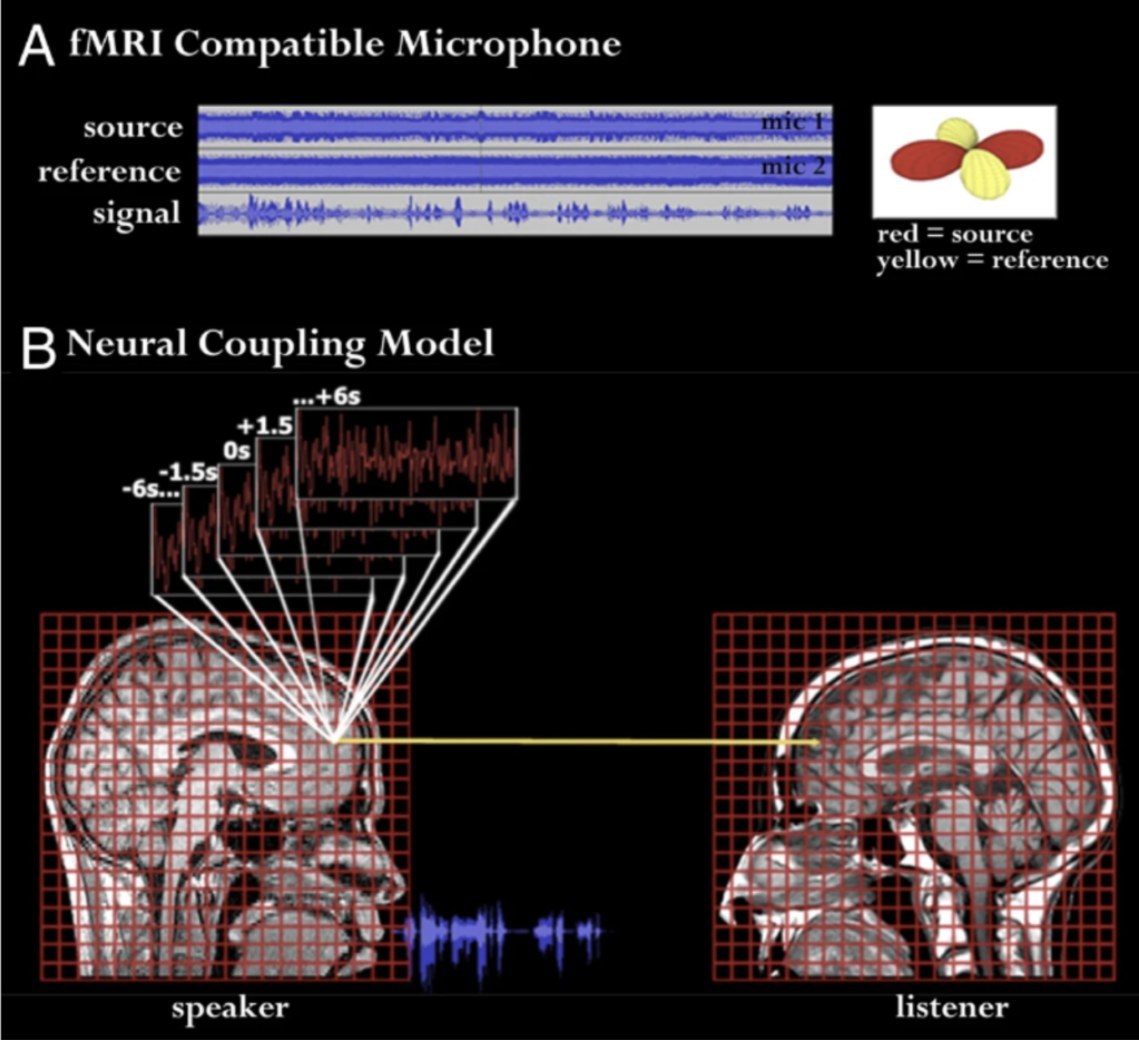
That is to say, the same parts of the brain light up on an fMRI, which means that neurons in the listener's brain fire in the same patterns as the speaker's, with a bit of lag as the listener comprehends the story. This synchronization of brain activity is a phenomenon known as "neural coupling" or "mirroring." Story not only connects us with each other at a neural level, but can help consumers connect with the story of a brand.
Humanity's understanding of the biomechanics of story, of its unparalleled power to change our brains, has come a long way in the last 40,000 years or so, and companies are just beginning to appreciate the opportunities that good brand storytelling can create.
They are realizing that story works better.