You Belong Here
Pepsico / Branded Documentary
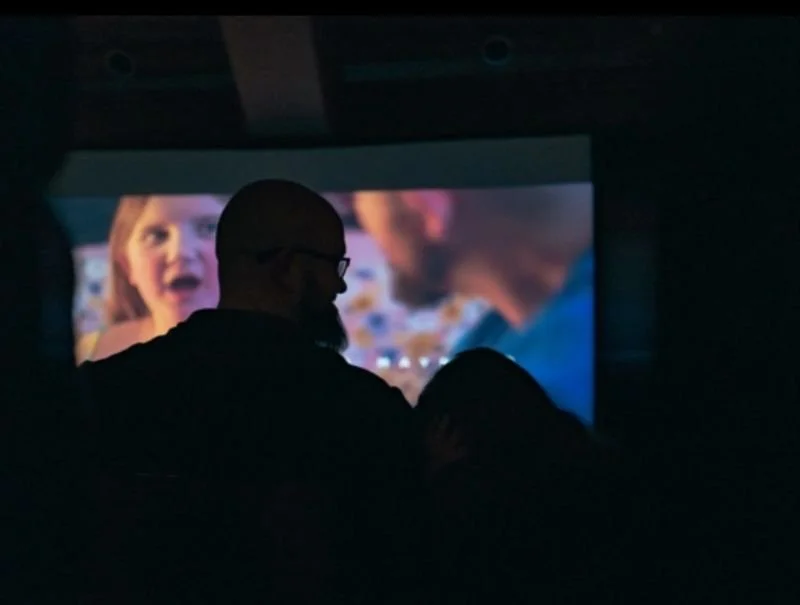
For PepsiCo, we created a documentary following Dustin Maynard, a deaf Supply-Chain Planning Associate whose hiring after 300+ job rejections sparked a ripple effect that embedded inclusive practices into the Indianapolis Gatorade plant's operations.
The film, which premiered at Brand Storytelling at Sundance and earned a Gold Telly, revealed the company's first principles in action: recognizing talent first and building systems to enable that talent to thrive.


The Story That Revealed PepsiCo's First Principles
PepsiCo asked us to create content encouraging employees to self-identify disabilities so they could provide better support and accommodations. Straightforward enough. But when we started digging into their culture, we discovered something more interesting than any campaign brief could capture.
Finding Dustin's Story
Dustin Maynard worked as a Supply-Chain Planning Associate at PepsiCo's Indianapolis Gatorade plant. He was deaf, talented, and had something remarkable to share about how he got there. When his manager Gina saw Dustin's resume showing 300+ job rejections, she didn't see failure—she saw tenacity. Someone who kept applying despite constant rejection clearly wasn't giving up easily.
That insight revealed everything about how this organization actually operated.
What We Captured
Following Dustin through his world showed us a company that had figured out something most organizations struggle with: how to recognize talent first and logistics second. The documentary wasn't about accommodation or overcoming barriers. It was about a workplace that saw capability and built systems around it.
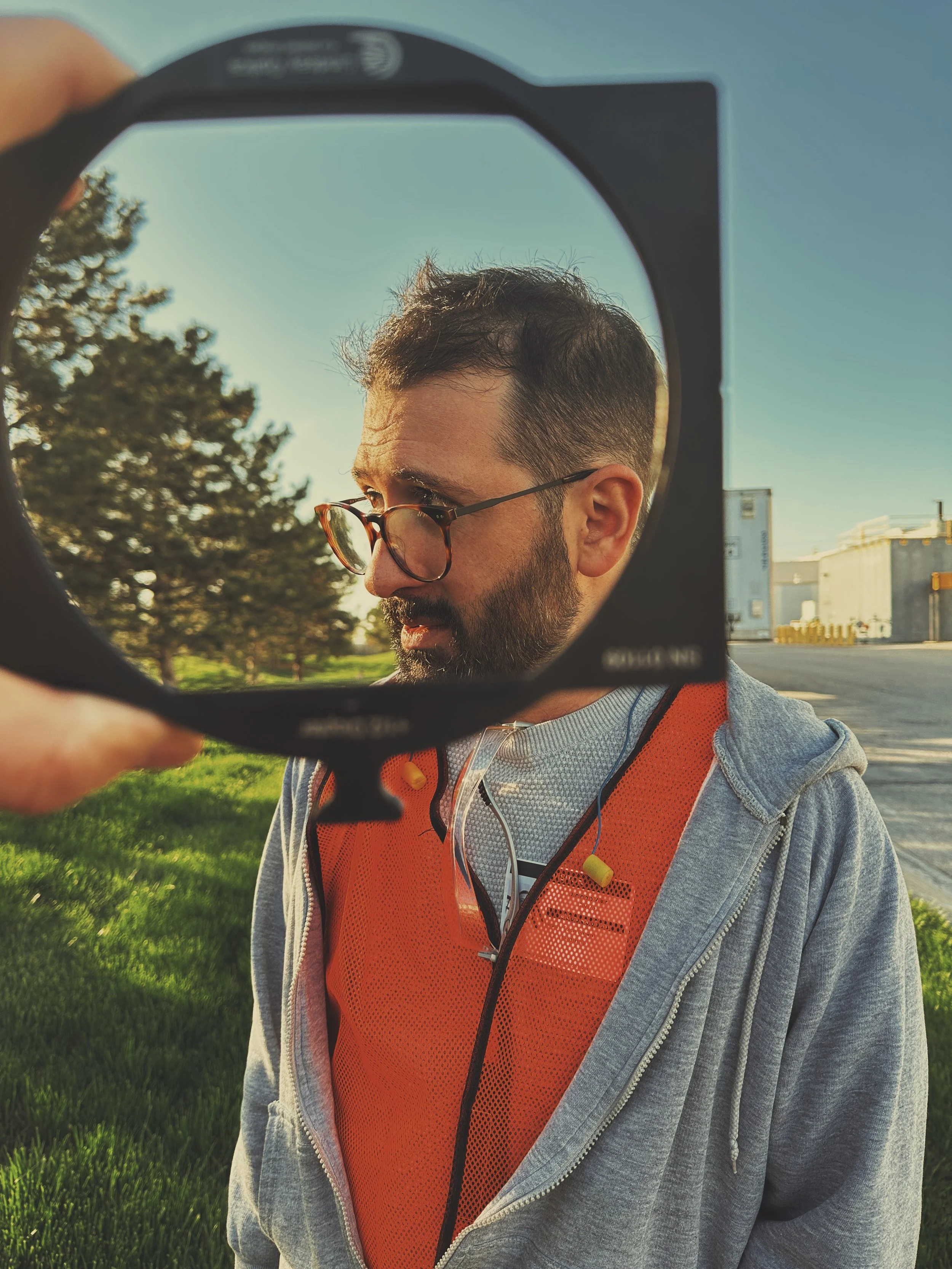
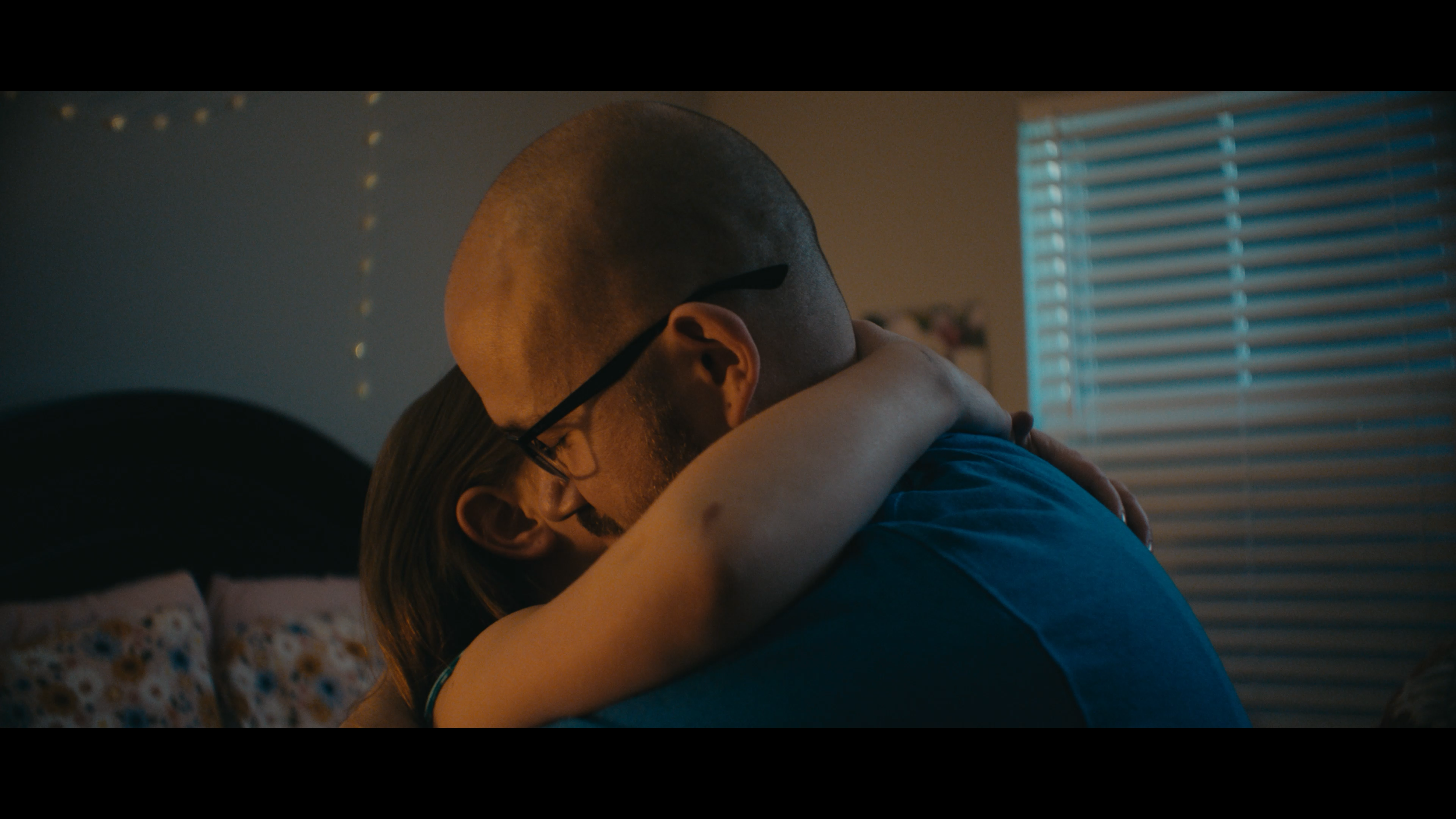
We watched him contribute to strategy meetings, lead workshops, work the production floor, and connect with his family at home. But the real story emerged in what happened after Dustin proved himself.
The Ripple Effect
Here's where it gets interesting. Once Dustin established himself, the plant hired a second deaf employee with Dustin helping in the process. Then a third. By that point, they didn't even need to consult Dustin anymore. The accommodations, the awareness, and the ability to all of it had become embedded in how they operated.
This wasn't inclusion as initiative. This was inclusion as inevitable result of recognizing talent wherever it shows up.
What This Revealed
The documentary captured something you can't manufacture with diversity training or compliance programs. It wasn't that PepsiCo had always been perfect at inclusion, it was that they had the principles and mechanisms to recognize when they could do better, then actually do it. See talent, support talent, learn from what works, build on it. Dustin's story revealed an organization with both the willingness to grow and the structural flexibility to make that growth stick.
When the piece premiered at Sundance's Brand Storytelling showcase and earned recognition including a Gold Telly, the real victory was already happening on the plant floor. Self-identification forms increased by 25%, but more importantly, employees saw proof that their company wasn't just talking about belonging, they were building it into how they work.
The Real Insight
Sometimes the best stories aren't about the individual who succeeded despite the system. Sometimes they're about discovering that the system was designed to let people succeed all along. Dustin's story revealed that PepsiCo's first principles: recognize talent, do the right thing, trust the results, weren't just values on a wall, they were operating instructions that made everyone better.
That's the kind of truth that changes how people see themselves at work. And it's the kind of story that reveals who a company really is when nobody's watching.